That Total Ain't What It Looks Like: How to Read an IPL Scoreboard Like a Sharp
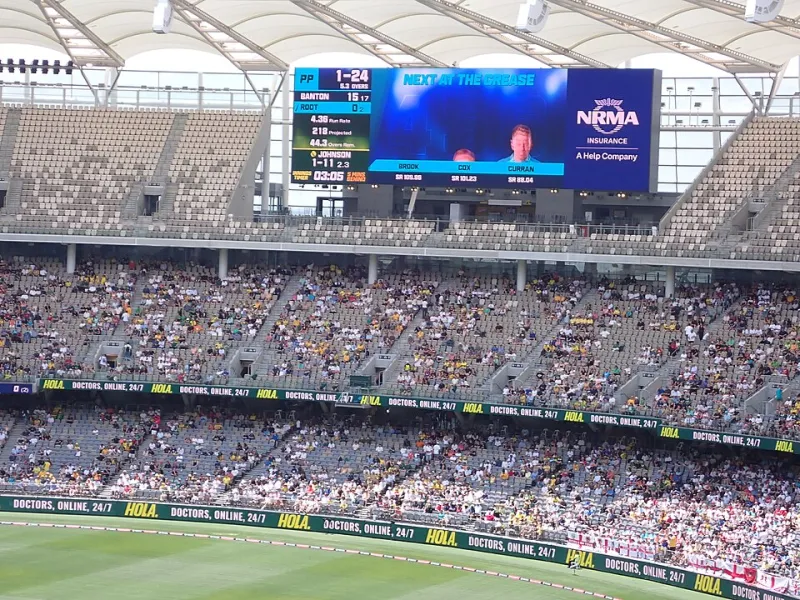
Photo: Calistemon, CC BY-SA 4.0, via Wikimedia Commons
You are staring at a sportsbook or fantasy app, and the IPL scoreboard says 178/6. It feels like a nice, round, trustworthy number. It is not. It is a box score with a publicist. At IPL Luck, we treat the scoreboard as the opening line of a story, not the whole plot.
The Scoreboard Is a Box Score With a PR Team
A team total is not just bat on ball. It is batting runs, extras, and sometimes penalty runs, all poured into the same cup. Wides and no-balls are extras. Byes and leg byes are extras. Penalty runs can be tacked on by umpires for infractions, and they show up on the team total without anyone hitting a boundary or bowling a dot ball.
That matters because bettors and fantasy managers often read the same number in different languages. A bettor sees 178 and thinks the pitch played well. A fantasy manager sees 178 and assumes the batters ate. But if 26 of those runs were extras, the batting card is much thinner than the team total suggests.
A simple first step: separate the scoreboard into parts. Team runs minus extras minus penalty runs gives you a rough batting score. Extras divided by team runs gives you an extras tax. If that tax is high, the total is doing cosmetic work.
DLS Is Not a Math Error. It Is a Different Game.
The Duckworth-Lewis-Stern method is the big one. When rain shortens a match, the target is revised, and the first-innings total stops meaning what it meant at lunch. A team that made 160 in 20 overs might be defending a revised target of 120 in 12. The raw 160 did not get worse. The game got shorter, and the resources changed.
This is where bettors get burned by the word target. A low target does not automatically mean an easy chase. If a team needs 120 off 12 overs, that is a required rate of 10 an over with wickets in hand and a wet ball. The scoreboard says 120. The math says work to do.
For over-under betting, do not compare the chase score to the first-innings score like they are the same currency. Compare the chase to the DLS par score, the required rate, and the wickets left. If the broadcast shows a par score, use it. If it does not, treat the raw total as a rumor.
Penalty Runs: The Free Points Nobody Drafted
Penalty runs are the quietest lie on the board. They count for the team. They do not count as a batter's runs. They do not count as a bowler's wickets. They can flip a team total over a betting line while doing almost nothing for the fantasy players you actually roster.
If you are betting a team total, penalty runs are part of the product. If you are drafting or setting a fantasy lineup, they are a mirage. Check the scorecard footnotes before you chase a total. Five penalty runs can turn a mediocre innings into a number that looks respectable in a highlights package.
No-Balls and Wides Are Not Momentum. They Are Accounting.
A no-ball adds a run and gives the batter a free hit. A wide adds a run and does not count as a legal ball. Both extend the innings and inflate the total. They also put pressure on the fielding side, so they are not meaningless. But they are not the same as a batter middling a ball through the gap.
For fantasy, this is a split screen. The team total rises. The bowler's numbers get worse. The batter may get a free swing and no credit for the extra. For betting, the total rises, but the shape of the innings may still be ugly. A 170 built on 18 extras is not the same as a 170 built on 8 extras and six clean boundaries.
How to Build a True Score in 60 Seconds
You do not need a spreadsheet the size of a cricket field. You need a quick checklist.
- Batting runs: team total minus extras minus penalty runs.
- Extras tax: extras divided by team total. Above roughly 10 percent, slow down and look closer.
- Legal-ball run rate: batting runs divided by legal overs. This strips out the free stuff.
- DLS flag: if the match was shortened, compare the chase to par score, not the raw first-innings total.
- Wicket quality: a total made with the top order at the crease is different from the same total with the tail hanging on.
- Venue par: a score that looks small at one ground can be above par at another.
That is your true-score starter kit. It will not tell you the future. It will stop you from betting on a number that was never really the number.
What This Means for Your Card
If a total is inflated by extras and penalty runs, do not treat it as proof that the pitch is a runway. If a chase target looks small after DLS, check the required rate and wickets. If a fantasy player's team put up a big total, check whether he actually contributed or just rode the extras wave.
The scoreboard is not your enemy. It is just not your analyst. At IPL Luck, the edge comes from reading the number behind the number. The public sees 178/6. You see a batting score, an extras tax, a DLS flag, and a reason to double-check the line before you click.