The Man in the Helmet Making Your Picks: How IPL Captaincy Quietly Moves the Betting Line

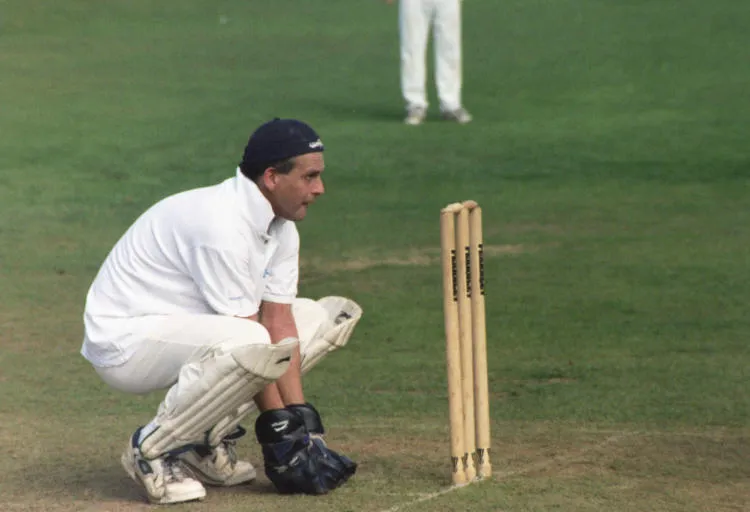
Photo: D0a5l0e6, CC BY-SA 4.0, via Wikimedia Commons
American sports fans love to credit the head coach. Bill Belichick's fingerprints were on every Patriots Super Bowl. Gregg Popovich's system outlasted his rosters in San Antonio. But in the NBA or NFL, the coach stands on the sideline, screaming through a clipboard while somebody else runs the play.
In the IPL, the captain doesn't just call the play. He IS the play.
The man in the helmet is simultaneously the quarterback, the defensive coordinator, the two-minute drill manager, and the replay challenge office — all while wearing a helmet and sweating through 95-degree humidity. If you're betting IPL matches or building fantasy lineups without pricing in the guy making 60-plus live decisions a night, you're leaving money on the table.
What a Captain Actually Controls (Spoiler: Almost Everything)
Let's run down the checklist:
- Batting order. Who walks out at No. 3 in a chase can swing win probability by double digits. Send your best power-hitter too early against a fresh pace attack and you've torched him.
- Bowling rotations. When to bring your death-overs specialist, whether to hold the mystery spinner for the middle overs, and whether your star quick bowls his four on the bounce or in two-two splits.
- Field placements. A single fielder moved from deep square to backward point changes a batter's entire shot map.
- Reviews. The Decision Review System in cricket is the challenge flag on steroids. Burn it early on a marginal call and you're naked for the rest of the innings.
- The toss and the declaration of intent. Chasing under lights with dew on the pitch is a whole different sport, and the captain's read on conditions matters before a ball is bowled.
That's not a figurehead. That's a chess player operating in real time with a clock running.
Grading the League's Tactical Brains
Every IPL season, the gap between the sharpest and softest captaincy becomes a standings story. The elite tier — think the MS Dhoni and Rohit Sharma lineage of calm, data-backed decision-making — consistently squeezes wins out of rosters that look mediocre on paper. They bat deep, they protect their bowlers from matchups, and they almost never lose a review they can't afford.
The passenger tier is just as easy to spot. Watch for these red flags:
- The panic bowling change. Your frontline spinner is getting hit, so you yank him after two overs and throw a part-timer into the fire. Elite captains let their weapons work through a bad patch.
- The static batting card. If your No. 3 is the same guy every game regardless of opponent or venue, you're running a template, not a strategy.
- The frozen review. Some captains treat the DRS like a family heirloom — too precious to use. Others challenge everything and burn both reviews by the tenth over.
- The late-over malpractice. Saving your best death bowler for an over that never comes because the game was already gone in overs 16 through 18.
None of this shows up in a box score. All of it shows up in the betting line if you know where to look.
Pricing the Captaincy Edge: A Simple Framework
Here's a practical exercise for bettors. Take two teams on a neutral-ish read — the markets have them close. Now score each captain across four buckets, one point each:
- Chase management: Does his team win chases at a rate above league average?
- Matchup discipline: Does he consistently get his best bowler against the opponent's best batter, or does he let it happen by accident?
- Review efficiency: Roughly half of successful challenges is the baseline. Above it, good. Near zero, bad.
- Adaptability: Does the game plan change by venue, or is it copy-paste?
If the captaincy gap is 4-1 or better, that's worth roughly a half-point to a full point of value against a tight spread. It's not a license to bet a bad number, but in a market that mostly prices names and recent box scores, it's a genuine informational edge. Think of it like handicapping coaching in the NFL — most casual bettors ignore it, which is exactly why sharp bettors don't.
Fantasy Implications: Captain Your Captain
For fantasy players, the captaincy edge works differently but just as hard. Your fantasy multiplier pick shouldn't just be the biggest name — it should be the player whose captain puts him in the best positions.
A wrist-spinner captained by a middle-overs maestro? That's a wicket-taking goldmine. A finisher whose captain keeps promoting him up the order? His ceiling doubles. Conversely, a star batter stuck behind a rigid top three, or a strike bowler whose captain hides him from the opposition's power-hitters, is a trap no matter how famous he is.
Before you submit a lineup, spend two minutes answering one question: does this player's captain make him better or worse? The answer is worth more than any hot streak of recent form.
The Bottom Line
The IPL's best captains are the closest thing cricket has to a floor general who also happens to be a player-coach. Their decisions compound silently across 40 overs — a here, a bowling change there — until a three-run win appears out of nowhere and everyone credits the star batter's 60.
Don't be everyone. When you handicap a match, look past the jersey names and ask who's steering the ship. In a league this top-heavy with talent, the brain behind the helmet is often the only real edge on the board.