The Dew Report Is the New Injury Report: How Night Weather Decides IPL Games Before They Start
Every NFL Sunday, bettors check the injury report before touching a line. An questionable tag on a starting QB can move a spread by three points. In the IPL, the equivalent document isn't about players at all — it's the evening humidity forecast.
If you've been ignoring dew, you've been betting one-handed. Let's fix that.
What Dew Actually Does to a Cricket Game
Cricket pitches are prepared before the match, but they're not sealed. As temperatures drop after sunset, moisture rises through the surface and combines with condensation in the air. The result: a slick, skiddy ball that's harder to grip for spinners and harder to hit through for batters.
The practical effect is simple. Spinners who dominated the first innings suddenly can't land their deliveries. The ball comes onto the bat faster. Boundary percentages in the second innings of night matches routinely spike, especially in coastal cities.
Think of it like the second half of a game played on a rain-soaked field in Green Bay — the conditions change, and the team that adapts (or simply bats second) inherits an advantage nobody priced in.
The Toss Becomes a Coin Flip That Isn't
This is where handicapping gets interesting. In day matches, the toss is basically a 50/50 nothingburger. In humid night venues, it's closer to winning the opening possession in overtime.
Captains who win the toss in dew-heavy conditions almost always bowl first. The logic: chase under the lights, when the ball skids and the pitch has flattened, rather than defend a total while your spinners are basically throwing a wet bar of soap.
Over the past several IPL seasons, second-innings win rates in certain venues have run meaningfully above 50% — in some years and some grounds, dramatically so. That's not noise. That's a structural condition you can exploit, the same way bettors target NFL teams playing their third road game in twelve days.
A Venue Tilt Chart, Handicapper Style
Not all stadiums sweat equally. Here's the rough tiering:
Dew Central (toss matters most):
- Mumbai (Wankhede) — coastal humidity, sea breeze, and a trueing surface make late-evening chases a dream for batting second.
- Chennai (Chepauk) — famously a spin fortress early, but heavy air can neutralize the spin grip after 9 PM. The toss tension here is real.
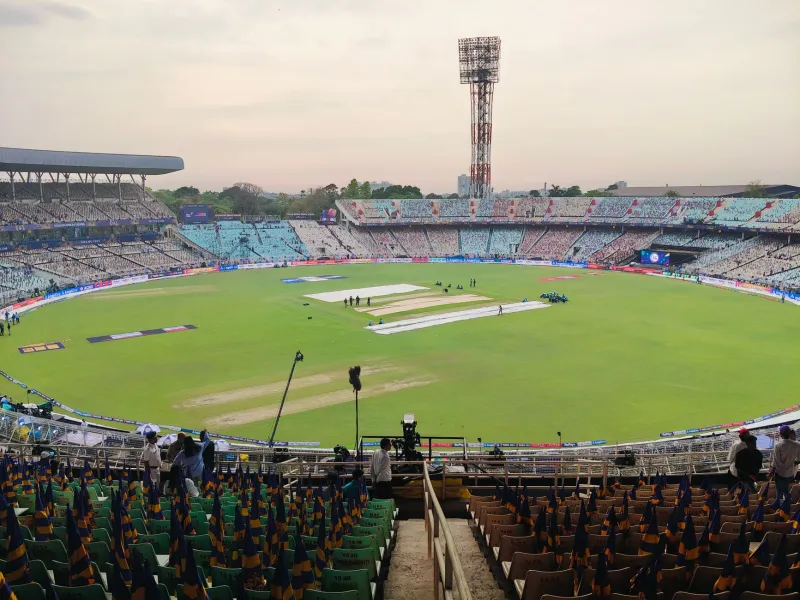
- Kolkata (Eden Gardens) — historically dew-soaked night games, which is why chasing captains rarely hesitate at the flip.
Moderate Impact:
- Delhi and Mohali — northern venues where dew shows up in certain months but not reliably. Check the forecast, don't assume.
Low Dew, Low Drama:
- Bangalore — elevation and cooler nights mean dew is less consistent, though the small boundaries do their own damage either way.
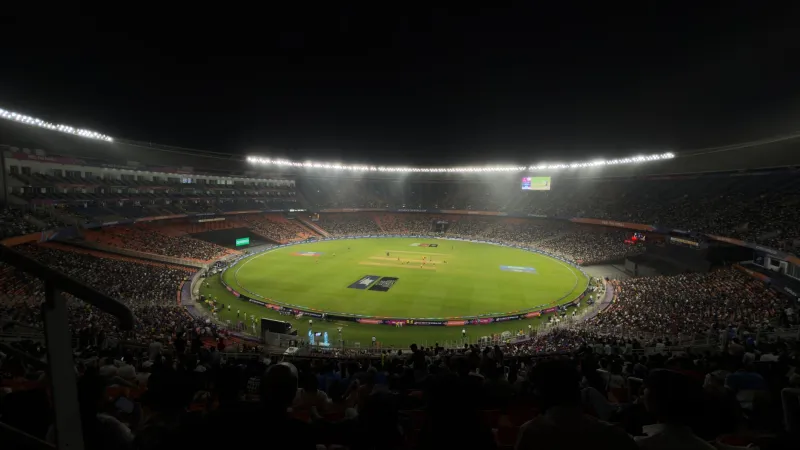
- Jaipur and Ahmedabad — drier climates generally keep the second innings more honest.
The takeaway: the same team, the same matchup, can be a different bet depending on the zip code and the kickoff time.
Reading the Forecast Like an Injury Report
So how do you actually use this? Treat the weather app like the NFL wire report:
- Check the 10 PM humidity number, not the daytime high. A pleasant 85°F afternoon means nothing if humidity climbs past 70% after sunset.
- Watch the dew point trend, not just temperature. A falling temperature with a sticky dew point is the classic dew cocktail.
- Note the start time. A 7:30 PM local start means the second innings begins around 10 — peak dew window. Earlier starts dodge some of it.
- Factor in rain delays. A wet outfield is dew on steroids. If rain has been around, the chasing team's edge compounds.
- Adjust your expectations for spinners. If your fantasy leverage or bet hinges on a frontline spinner's second-innings spell, dew is the injury report that says "questionable."
The Quiet Edge Nobody Brags About
Here's the thing about dew: it's not sexy. Nobody's making highlight reels of condensation. Most casual bettors and fantasy players fixate on form, matchups, and star names — all legitimate — while the single most predictive environmental factor goes unchecked.
That's your lane. The sharpest edges in any sport come from the stuff that's publicly available but privately ignored. Vegas line-makers price injuries to the decimal. Dew's effect on IPL totals and second-innings outcomes is still underweighted in a lot of markets.
So before your next IPL wager or DFS-style fantasy lock, do the boring thing. Pull up the evening forecast. Check that humidity number. Ask yourself one question: who's batting second, and are they about to get a free assist from the atmosphere?
Because in the IPL, sometimes the most valuable player on the roster is the weatherman.